
- Home
- About
- Services
- Conditions
- Symptoms
- Patients
- Reviews
- Contact
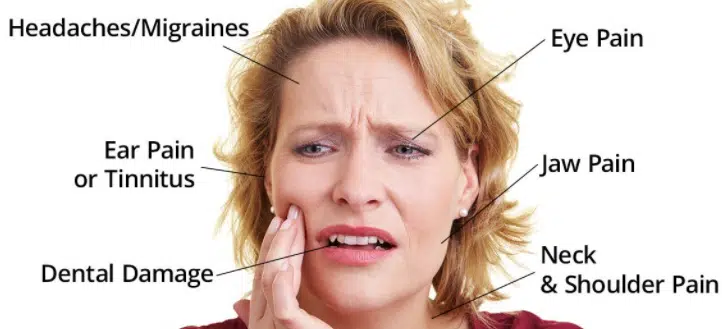
You're in the middle of a meal, and your jaw suddenly clicks. Or it may feel sore every time you chew or yawn. Perhaps you've even woken up with a tight jaw and dull headache. If any of these sound familiar, you may be dealing with temporomandibular joint (TMJ) disorder.
TMJ symptoms often start subtly but can worsen over time. Without proper care, they may affect how you speak, eat, sleep, or work. These issues call for real medical attention—not just a mouthguard or quick at-home massage.
In this blog, we'll guide you through the key signs of TMJ disorder, when to seek professional care, and what treatment options are available. If you've ever wondered how to know if you need TMJ treatment, read on.
TMJ disorder rarely starts with a striking symptom. Instead, it builds over time, often with subtle signs that are easy to dismiss. Let's explore the most common early indicators to help you recognize them early on.
Do you hear clicking, grinding, or popping sounds when opening or closing your mouth? While occasional noises are common, persistent or painful clicking often signals a TMJ problem that shouldn't be ignored.

What Causes the Clicking?
Jaw pain is the most common symptom of TMJ disorder. When the pain radiates beyond the joint, it could signal inflammation affecting nearby structures like the temples, cheeks, or ears.
What Are the Signs That the Pain Is TMJ-Related?
TMJ disorder can overwork the jaw muscles, leading to facial pain and chronic muscle clenching caused by stress or poor alignment. This persistent jaw pain often results in fatigue that interferes with everyday activities like speaking, eating, or smiling.
How to Know When Fatigue or Discomfort Is TMJ-Related
As the disorder progresses, TMJ symptoms tend to become more severe and harder to manage. These severe indicators typically signal the need for early conservative care from a medical professional to prevent long-term joint damage.
 Jaw Locking (Trismus)
Jaw locking, or trismus, occurs when you can't fully open or close your mouth, usually because the muscles around the TMJ tighten or spasm. This limited movement is often linked to TMJ inflammation or internal joint changes that interfere with function, though other conditions can also contribute.
What Are the Signs of TMJ-Related Locking?
TMJ-related stiffness or reduced movement often stems from inflammation, joint degeneration, or prolonged muscle guarding. These issues make it hard to move the jaw smoothly or open the mouth fully.
What Are the Signs of Restricted Motion?
TMJ disorder can affect the alignment of your bite, causing pressure points, uneven tooth wear, or difficulty chewing. These changes usually result from joint instability or muscle imbalance.
What Are the Signs of Bite Shifts?
One of the most evident signs that you need professional treatment is when your symptoms don’t go away. Duration often points to the severity of TMJ.

Healthcare providers often apply the “3-month rule” when evaluating TMJ disorders. If you’ve been experiencing jaw
discomfort, clicking, or stiffness for over 12 weeks, it's a strong indicator of chronic TMJ rather than a temporary issue.
Persistent symptoms may reflect structural changes in the joint or prolonged muscle dysfunction. At this stage, targeted treatment becomes essential to prevent long-term complications.
Addressing TMJ disorder early helps avoid the need for surgery or more invasive therapies. A TMJ specialist can evaluate your joint health, identify muscle imbalances, and recommend appropriate treatment options.
In many cases, early intervention brings relief through non-invasive care like chiropractic adjustments, muscle therapy, or bite stabilization—helping patients protect their daily comfort without long-term damage.
If your symptoms fail to improve or worsen over time, don’t wait to seek care. A qualified specialist can provide a proper TMJ diagnosis and treatment plan.
Signs that warrant immediate care include a locked jaw, severe pain or persistent tenderness near the joint, chronic headaches linked to jaw tension, difficulty chewing or eating, and noticeable bite changes.
Acting early helps prevent chronic TMJ complications, improving your chances of full recovery, preserving quality of life, and reducing the need for invasive procedures.
Yes. Chiropractic care can improve joint alignment and muscle function, helping relieve pressure on the temporomandibular joint. It is considered a non-invasive, drug-free approach that can reduce pain and restore jaw mobility.
Mild TMJ symptoms may improve with rest, stress reduction, and jaw-friendly habits. However, persistent or recurring issues often require evaluation to prevent more severe and long-term joint dysfunction.
Ignoring TMJ symptoms can lead to chronic joint damage, worsening bite problems, and muscle tension. Early intervention makes recovery easier and lowers the likelihood of more intensive treatments.
Yes. Chronic stress can trigger jaw clenching and teeth grinding, placing strain on the TMJ. Over time, this can lead to inflammation, misalignment, and recurring pain.
The most effective TMJ treatments depend on the cause and severity of your symptoms. Options may include chiropractic care, manual therapy, bite adjustments, muscle relaxation techniques, and lifestyle changes—all guided by a specialist. In rare cases, surgery may become necessary as a last resort when symptoms persist despite conservative therapy.
If you're searching for how to know if you need TMJ treatment, you're not alone. Many people experience jaw pain, clicking, or limited movement, signs that may point to an underlying joint problem.
At Allied Pain & Wellness, we provide evidence-based TMJ Treatment in Burbank, offering solutions you can rely on. Dr. Shahen Simian brings a holistic approach to chiropractic practice, combining comprehensive diagnoses with non-invasive treatments.
He offers chiropractic care, physiotherapy, and therapeutic exercises tailored to relieve jaw and facial pain and protect long-term jaw health. Don't let persistent pain affect your daily life. Book a consultation today and take the first step toward lasting relief.


Monday: 9:00am-7:00pm
Tuesday: 9:00am-7:00pm
Wednesday: 9:00am-7:00pm
Thursday: 9:00am-7:00pm
Friday: 9:00am-7:00pm
Saturday: 9:00am-2:00pm
Sunday: Closed