
- Home
- About
- Services
- Conditions
- Symptoms
- Patients
- Reviews
- Contact
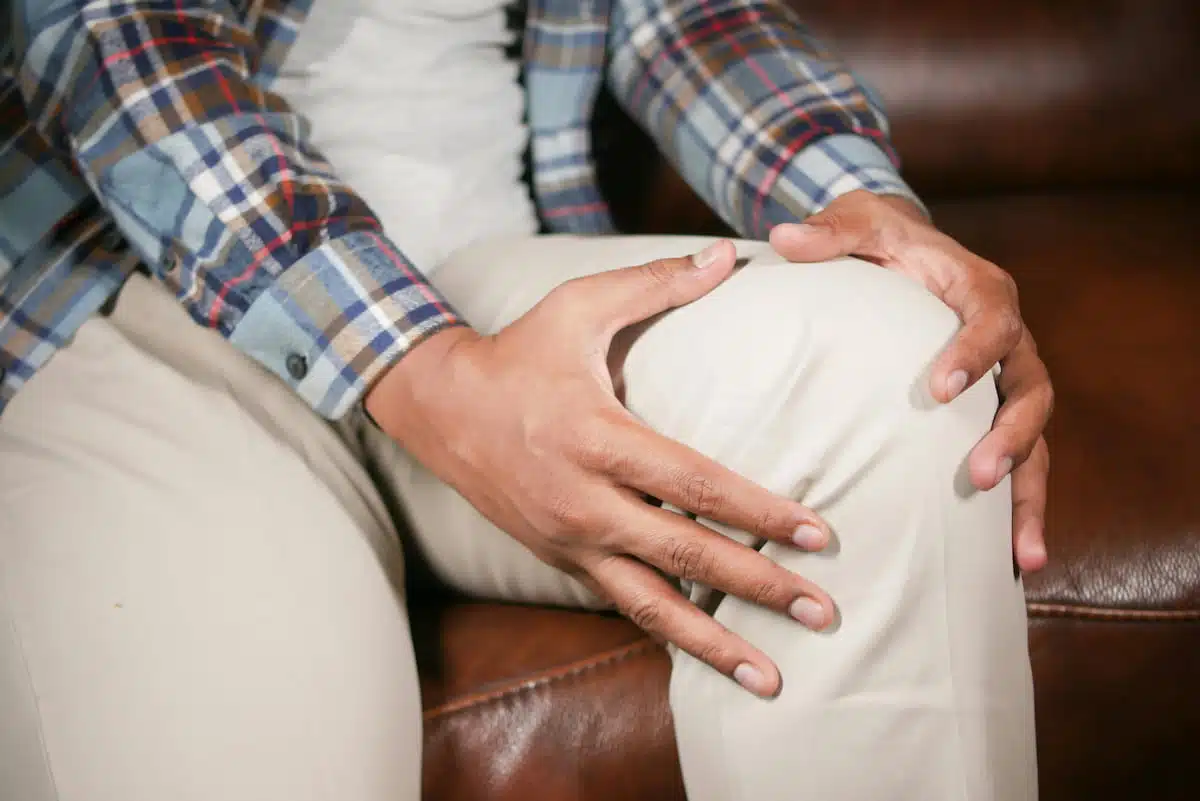
Knee pain has a way of interrupting your rhythm. Whether you're an avid runner, gym enthusiast, or weekend athlete, an aching knee can stop you mid-stride and shake your confidence.
For active adults and athletes, chronic knee pain makes it hard to stick to your workout routine or perform your best. The good news? You don't have to sacrifice strength or performance—effective knee pain treatments can help you heal and move forward safely.
In this guide, we'll explore proven strategies to help manage and treat knee pain, from conservative care and non-surgical therapies to prevention techniques that keep your knees strong and injury-free.
Knee pain refers to discomfort in or around the knee joint. It often shows up as stiffness, sharp pain, or a lingering ache that worsens with activity.
Active adults are especially vulnerable, as knee pain can interrupt training routines and lower the quality of life. A 2015 review of sports injury studies found the knee to be the most commonly injured lower limb site, with incidence rates ranging from 7.2% to 50%. Risk factors include overuse, poor biomechanics, repetitive stress, and insufficient recovery.
These challenges highlight the importance of effective recovery strategies. According to a 2019 study, lasting relief from knee pain comes from addressing how the body moves and following a step-by-step exercise program tailored to each person.
By understanding how knee pain develops, you can take control of your recovery. The next sections explore common causes, key warning signs, and effective knee pain treatments that support long-term joint health and performance.
Knee injuries vary widely, but certain problems show up frequently among active individuals. Understanding the source helps you take smarter steps toward recovery.
Not all knee pain fades with rest and an ice pack. Some symptoms point to a more serious injury and need professional attention. Observe these warning signs:
Prompt diagnosis and treatment provide knee pain relief, help prevent long-term complications, and accelerate recovery.
Recovery-focused and non-surgical knee treatment often heals knee pain by addressing the root cause, relieving discomfort, and rebuilding strength without surgery. These key approaches support your body’s natural healing process.
A comprehensive evaluation often starts with physical exams, movement screening, and orthopedic testing. Chiropractors assess posture, gait, and alignment to pinpoint dysfunction in the affected knee. This diagnostic process lays the foundation for personalized care, ensuring that every adjustment directly addresses the identified issues.
Targeted chiropractic adjustments can correct misalignments, reduce stiffness and inflammation, and support mobility, all key to effective knee pain management. Diagnosis guides the treatment, and chiropractic care delivers the relief.
 Therapeutic exercises strengthen weak muscles and correct biomechanics, addressing common causes of knee discomfort. These programs are tailored to your sport or lifestyle to restore function and confidence.
Glute bridges, single-leg squats, resistance band routines, and glute activation drills are standard physiotherapy for conditions like knee pain. These exercises help stabilize the joint, improve control, and reduce the risk of future injuries.
Manual therapies ease muscle tension, improve circulation, and alleviate soft tissue restrictions in your injured knee. Techniques often include IASTM (Instrument-Assisted Soft Tissue Mobilization), myofascial release, and sports massage to reduce pain and restore mobility.
Supportive options like Rock Tape or cupping can also be added to encourage healing and enhance performance by optimizing tissue mechanics (how your muscles and joints move together) and neuromuscular feedback (how nerves and muscles communicate to control movement).
Staying active doesn’t have to mean pushing through pain. Gentle options like swimming, cycling, or yoga keep you moving without putting extra stress on your knees. These activities help you stay fit while giving your joints the chance to heal.
Tools such as Air Relax Compression Therapy, which boosts circulation, decreases inflammation, and helps your tissues repair more quickly, so you can get back to the activities you enjoy with confidence.
 Improving how you move and sit throughout the day protects your knees from unnecessary stress and acute pain. Simple ergonomic changes like adjusting your chair height, keeping your feet flat on the floor, or using supportive cushions can reduce strain during work and daily activities.
Posture training during exercise also helps you move more safely and efficiently. By combining better posture and ergonomic support, you ease pressure on your knees and promote long-term joint health.
Some treatments can give your recovery an extra boost. Advanced techniques like electrical muscle stimulation and spinal decompression therapy may be added to reduce nerve irritation, stimulate muscle engagement, and improve tissue healing.
When used appropriately, these therapies complement the effects of chiropractic care and rehabilitation for more complex or persistent knee conditions.
Some patients may benefit from advanced therapies that go beyond conservative care. These minimally invasive options provide relief when other methods fall short.
Corticosteroid shots reduce inflammation and offer short-term relief in acute flares or rheumatoid arthritis. They're helpful when swelling and pain hinder progress.
However, repeated use may weaken tissue over time. These injections work best integrated into a complete rehabilitation plan.
Also called viscosupplementation, hyaluronic acid injections add cushioning and lubrication inside the knee joint. This can improve shock absorption and ease pain during movement, helping the joint glide more smoothly.
Patients with mild to moderate osteoarthritis or chronic discomfort often benefit from smoother joint motion after this treatment. Relief is typically short- to medium-term (lasting several months), and results can vary, so injections are best used as part of a broader care plan.
PRP therapy uses a small sample of your own blood, concentrating the platelets that naturally help repair tissues. When injected into the knee or injured tendons, these platelets release healing signals that can calm pain and support recovery.
Providers often use PRP to treat stubborn injuries like ACL recovery, jumper’s knee, and persistent tendon problems. Recent research in 2024 found that PRP can ease pain and improve movement in people with knee osteoarthritis—a common condition that causes stiffness and discomfort.
For many active adults, PRP offers a promising regenerative, non-surgical option, helping delay or even avoid knee arthroplasty, especially when combined with a rehab plan.
Once you recover, focus on staying pain-free with smart knee injury prevention habits. These proactive steps promote lifelong joint strength and reduce the risk of recurring injuries.
Chiropractic care helps improve how your joints move. Easing pressure on the knee can restore mobility, improve your stride, and reduce pain over time.
Targeted exercises strengthen the muscles that support your knee. This improves stability, helps you move more easily, and lowers the risk of future injuries.
Yes, these therapies release muscle tension, break down adhesions, and improve blood flow to the injured area. They promote faster tissue healing and ease chronic or post-injury discomfort.
Rock Tape gives gentle support to the knee and helps reduce strain during movement. Air Relax Compression uses controlled pressure to reduce swelling and speed up muscle recovery. Together, they help protect the knee and promote steady recovery.
A licensed healthcare provider can assess your condition through exams and orthopedic testing and build a plan tailored to your needs. Your lifestyle, activity level, and goals all help guide which therapies will work best.
Effective knee pain treatments require a well-balanced mix of diagnostics, therapies, recovery tools, and prevention strategies. There is no one-size-fits-all path—just your unique journey to recovery, guided by tailored care.
For reliable knee pain treatment in Burbank, Allied Pain & Wellness is here to help you heal. Our chiropractor, Dr. Shahen Simian, helps active adults and athletes recover fully and move with confidence. With expertise in biomechanics, sports injury rehab, and non-surgical interventions, he delivers care tailored to your goals and lifestyle.
If knee pain is limiting your movement, don't wait. Contact our clinic today to schedule your consultation and begin your journey toward full recovery and lasting knee health.


Monday: 9:00am-7:00pm
Tuesday: 9:00am-7:00pm
Wednesday: 9:00am-7:00pm
Thursday: 9:00am-7:00pm
Friday: 9:00am-7:00pm
Saturday: 9:00am-2:00pm
Sunday: Closed