
- Home
- About
- Services
- Conditions
- Symptoms
- Patients
- Reviews
- Contact
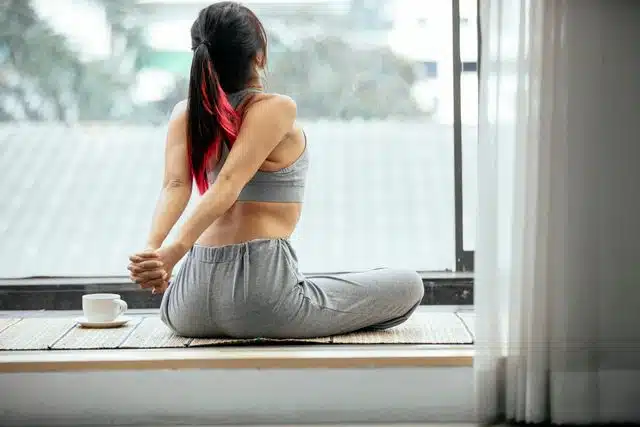
Ever tried a stretch online, only to stand up feeling just as stiff? Your effort isn't to blame; the move simply didn't fit your pain. The most effective stretches for lower back pain are matched to what you’re actually feeling, whether that’s a central ache, a deep hip knot, or shooting leg pain.
Simple, safe stretches tailored to your exact symptoms can make all the difference. Here’s how your local Burbank chiropractor helps you match the right move to the right kind of pain, so you can start moving comfortably again.
Before pulling into a stretch, it helps to understand what your back is actually trying to tell you. Lower back pain almost always traces back to one of two distinct patterns:
Sitting for long hours tightens your hips and hamstrings, pulling your spine out of alignment. Because low-impact movement is recommended over bed rest for non-injury back pain, gentle activity helps release this tension and restore balance, which is where lower back stretches for pain help.
However, stretching won't correct structural issues like a herniated disc or spinal stenosis. While it can relax tight muscles reacting to an injury, it eases symptoms rather than fixing the underlying cause.
To find the best stretch for your lower back pain, take a moment to listen to what your body is telling you before you move. Notice whether your discomfort is a dull ache in the center, a deep pain on one side, or something that flares up after exercise. These patterns point directly to the movement your back actually needs. Use the guide below to find your match.
| Pain pattern | Likely cause | Start with | Progress to |
|---|---|---|---|
| Central dull ache, worse after sitting | Tight lumbar erectors and hip flexors | Knee-to-Chest | Cat-Cow |
| One-sided pain deep in the glute | Piriformis tightness or piriformis syndrome | Piriformis Stretch (Figure Four) | Seated Spinal Twist |
| Pain radiating from the lower back down the back of the leg | Sciatic nerve involvement | Gentle Knee-to-Chest | Skip Piriformis if tingling increases |
| Stiff first thing in the morning | Overnight tightening, disc rehydration | Cat-Cow before getting out of bed | Child's Pose |
| Flare after a workout or lifting | Overworked lumbar stabilizers, tight hamstrings | Child's Pose | Hamstring stretch |
One firm rule sits above the table: If any stretch recreates or worsens leg pain, stop immediately. That is a nerve response, not a healthy stretch, and it belongs in an exam room, not on your living room floor.
The right move matters, but form is what really delivers results. Here is how to perform these core stretches for lower back pain correctly, along with common mistakes to avoid so you don't compromise your relief.
This pose is ideal for easing a central, sitting-related ache by gently stretching tight lower back muscles.
This dynamic movement restores spinal mobility and gently warms up stiff back muscles.
This gentle stretch releases lower back tension and opens up tight hip muscles.
 How to do it: Lie on your back with your knees bent. Draw one knee toward your chest while resting your other leg flat or bent. Hold for 20 to 30 seconds, then switch sides.
This movement helps improve rotational flexibility and relieves side-to-side tightness across your spine.
This stretch targets deep hip muscles that frequently trigger lower back and glute pain.
Making these back stretches for lower back pain part of your daily routine is the best way to support your spine over time. Remember to hold each move for 20 to 30 seconds, focus on breathing steadily, and give yourself a full two weeks to see how your back responds.
Stretching backfires when you apply it to the wrong problem. Forcing movement through sharp pain, an irritated sciatic nerve, or a bulging disc can leave you worse off. Knowing what stretches help lower back pain matters just as much as knowing when to put the mat away.
Stop stretching and see a doctor right away if you experience any of the following:
Schedule an appointment with a specialist if:
A chiropractor can tell within a single exam whether your pain is muscular (where stretching helps) or structural (where stretching alone won't fix it). Rather than spending weeks stretching a disc or joint issue on your own, you can get professional care that targets the root cause.
Chiropractic care complements your home stretching routine; it does not replace it. Stretching helps with muscles, but some tightness goes deeper than stretching can address.
Research supports the pairing: a randomized clinical trial found that spinal manipulation combined with home exercise and advice was more effective for chronic low back pain than exercise alone, with benefits lasting up to a year.
Here is how hands-on care fills the gaps a stretch leaves behind:

Allied Pain and Wellness offers all three under one roof in Burbank. On your first visit, Dr. Shahen Simian, D.C., examines you, identifies your pain pattern, and develops a care plan that complements the routine you already follow at home.
Ready to get more from your stretches for lower back pain? Contact us to schedule a consultation, or call (818) 688-2275 to reach the Burbank clinic.


Monday: 9:00am-7:00pm
Tuesday: 9:00am-7:00pm
Wednesday: 9:00am-7:00pm
Thursday: 9:00am-7:00pm
Friday: 9:00am-7:00pm
Saturday: 9:00am-2:00pm
Sunday: Closed


