
- Home
- About
- Services
- Conditions
- Symptoms
- Patients
- Reviews
- Contact
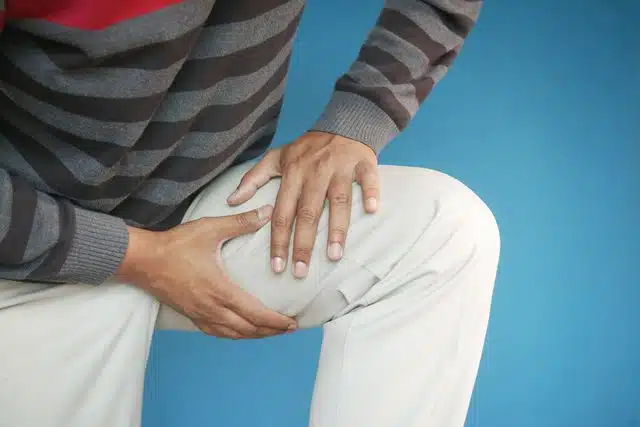
When leg pain flares up, the first move is almost always the same: you search online for relief. Up comes a long list of fixes, no clue which one fits your situation, so you guess, try one, and hope it sticks, while the ache keeps you off your feet longer than it should.
Home remedies for leg pain only work when they're matched to the actual cause, whether that's a cramp, muscle strain, or nerve irritation. Get it wrong, and you're just prolonging the pain.
Here's how to match home remedies for leg pain in Burbank to what's actually causing it, and how to tell when it's no longer a home-fix situation and needs a doctor for professional assessment.
Leg pain isn't one-size-fits-all. Most guides skip the most important step: identifying your specific type of pain first. Leg pain generally falls into three main categories. Knowing yours tells you whether home remedies for leg aches will work or if it's time to see a professional.
If your pain stays in one specific spot and flares up when you move, your muscles, joints, or bones likely need some rest. Common culprits include:
While they can disrupt your daily routine, most of these issues often improve with rest, stretching, and conservative home care (RICE method).
If your leg pain feels like it's burning, tingling, or shooting down your leg, especially when you're resting, an irritated nerve is usually to blame. This frequently happens with conditions like:
You can try gentle home care for mild nerve pain, but if it doesn’t improve, you should schedule a clinical exam or seek professional treatment for sciatica. Standard pain relievers often don’t work well for nerve pain, so medical evaluation is the safer path.
Vascular pain stems from circulation issues with blood flow in your blood vessels. You might experience heaviness, swelling, aching, or cramping, especially when walking or resting.
Blood vessel health is critical, and home remedies aren't enough on their own here. Conditions such as deep vein thrombosis (DVT) require same‑day medical evaluation, as blood clots can be life‑threatening.
If you're searching for relief, you've likely already tried a fix that didn't work or made your leg feel worse. That frustration comes from using the wrong tool for the job. Matching the home remedies for leg pain to your actual cause addresses this. Find your category below to get started.
A sudden leg cramp can really catch you off guard and leave your muscles feeling sore for hours. These uncomfortable spasms usually happen when your body is running low on water or minerals, or when a muscle is simply overworked. Gentle home care can bring quick leg pain relief:
If you have a new strain, shin splint, or muscle pull, modern sports medicine suggests using the PEACE and LOVE method instead of the old RICE method. This new approach helps support your body’s natural healing process.
Start with PEACE in the first few days:
Once the early phase passes, switch to LOVE:
Overuse pain happens when you put too much stress on tired muscles and tendons from repeated actions. Healing takes time and requires the right support tools.
Ignoring early warning signs can increase your risk of developing a stress fracture. Pay attention to what your body is telling you, and rest when pain increases.
When you feel pain in your lower back that spreads, tingles, or burns, your nervous system needs gentle care. Nerve tissue is sensitive, so it's best to take a cautious approach.
Finding out how to relieve leg pain at home is much simpler with a clear recovery timeline. We share this guide with our patients, so you know exactly what steps to take on day one and what progress to expect by week two.
Ice the area for 15 to 20 minutes every 2 to 4 hours. Keep your leg elevated above your heart and wrap it with a soft bandage. Limit movements that make the pain worse, but don't stay in bed all day. Each morning, rate your pain from 0 to 10 to track how it's changing.
As swelling goes down, switch from ice to heat only once swelling has resolved, and begin gentle stretching and foam rolling. Start doing low-impact activities like walking, riding a stationary bike, or walking in water. If swelling comes back during these activities, wear compression gear while you exercise.
Gradually increase the load with strength exercises for your calves, hamstrings, and quads. If your pain hasn’t noticeably improved by the end of the first week, schedule a professional evaluation instead of pushing through.
| Phase | Timeframe | What to do |
|---|---|---|
| Protect | Days 1 to 3 | Ice 15 to 20 minutes every 2 to 4 hours, elevate above heart, soft compression, restrict aggravating movement, rate pain 0 to 10 each morning |
| Load | Days 4 to 7 | Switch from ice to heat only once swelling has resolved, gentle stretching, foam rolling, low-impact movement (walking, cycling, water walking), compression during activity if swelling persists |
| Return to activity | Week 2 onward | Progressive strength for calves, hamstrings, quads; if pain hasn’t noticeably improved by the end of the first week, book a professional evaluation instead of pushing through |
A quick note for your safety: This recovery timeline is intended for muscle strains, everyday joint soreness, and mild nerve irritation. If you suspect a blood clot, circulation issue, or bone fracture, please skip ahead to the next section for urgent care guidance.
Some leg pain cannot be resolved with at-home remedies. Watch out for these symptoms that signal deeper issues needing prompt medical evaluation.
As a rule of thumb, pain lasting more than a week without improvement, or pain that returns each time you resume activity, means home care has done all it can.
Consider seeing a chiropractor if your leg pain isn't improving with home care, radiates down from your lower back, or keeps coming back. Chiropractic care focuses on addressing musculoskeletal and nerve‑related contributors to pain rather than just masking symptoms.
Dr. Shahen Simian, D.C., at Allied Pain and Wellness, honored by ThreeBestRated® as a Top 3 Chiropractor in Burbank, CA for 2026, provides comprehensive care for leg pain whenever home care falls short. Your first visit includes:
When home remedies for leg pain have done their job, most aches settle without a clinic visit. When they have not, leg pain treatment in Burbank is the smarter next step. Contact Allied Pain and Wellness or call (818) 688-2275 to book a consultation with Dr. Simian.


Monday: 9:00am-7:00pm
Tuesday: 9:00am-7:00pm
Wednesday: 9:00am-7:00pm
Thursday: 9:00am-7:00pm
Friday: 9:00am-7:00pm
Saturday: 9:00am-2:00pm
Sunday: Closed


