
- Home
- About
- Services
- Conditions
- Symptoms
- Patients
- Reviews
- Contact
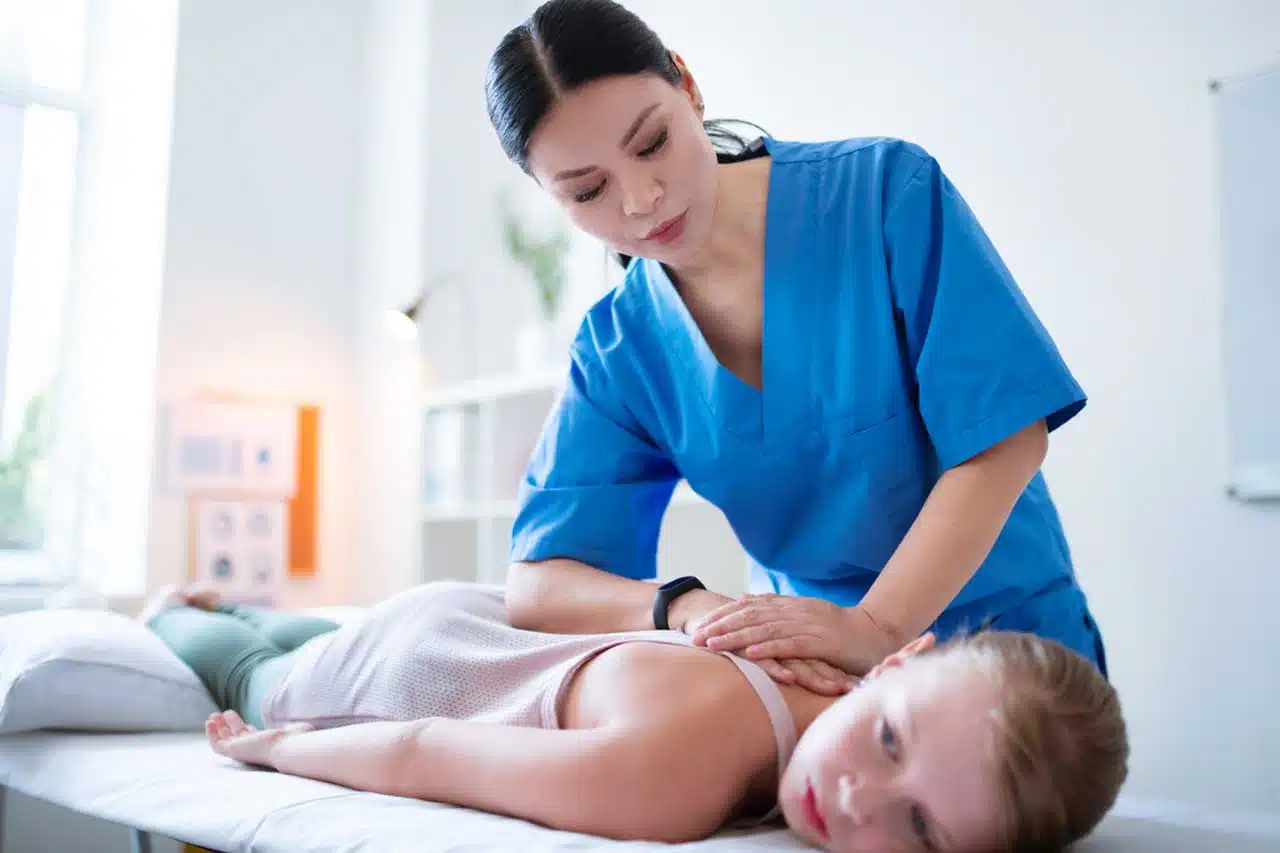
If daily aches, stress, or stiffness are slowing you down, you’re not alone. Most of us just push through the discomfort and hope a good night's sleep fixes it, but usually, your body needs a bit more help than that.
Targeted care, such as professional massage therapy, offers benefits beyond relaxation. While most people think of it as a luxury or a way to relax, it’s actually a vital tool for recovery, helping ease pain, restore movement, and support your overall well-being.
In this article, we'll explore the conditions that benefit most from massage therapy, the techniques practitioners use, the symptoms it can address, and how to incorporate it into your recovery or holistic wellness practices.
Did you know that nearly 1 in 4 women and 1 in 5 men received massage therapy in 2024? Beyond relaxation, people increasingly seek massage for pain relief, stress management, and overall wellness, highlighting its growing role in integrative, evidence-based care.
Below are the most common conditions where massage therapy offers significant, clinically supported benefits:
 Massage improves circulation, relaxes muscles, and reduces tension that builds up around stiff joints. It also supports flexibility and function in people with chronic or degenerative conditions.
While massage can’t reverse joint disease (i.e., arthritis or degenerative disc disease), it provides ongoing comfort and helps people stay mobile with less pain.
Massage therapy provides chronic pain relief by reducing persistent back, neck, shoulder, and joint pain associated with these conditions. It also eases wrist and hand discomfort from carpal tunnel syndrome and relieves stiffness caused by arthritis or disc degeneration.
 Massage therapy supports sports injury recovery by increasing blood flow, loosening tight muscles, and reducing post-activity soreness. It also reduces risk factors for re‑injury by improving mobility, flexibility, and muscle balance.
Athletes, dancers, and active adults often use massage therapy to speed recovery and manage the physical and mental demands of performance.
Massage should be applied cautiously in acute injuries (such as fresh sprains or inflamed tendons), and is most effective once initial inflammation has subsided.
Massage therapy relieves sharp or dull pain in the legs, knees, hips, and lower back after physical activity or injury. It reduces stiffness, improves flexibility, and eases post-exercise soreness.
Research also shows that massage supports psychological recovery in athletes by lowering stress and fatigue while enhancing mood, focus, and perceived healing.
For best results, massage therapy should be adjunct to rest, rehabilitation, and medical guidance, supporting recovery rather than replacing standard treatment.
 Nerve pain often feels relentless, whether it’s tingling, burning, or sharp discomfort that limits movement. Therapeutic massage relaxes tight muscles and improves circulation, which in turn eases pressure on irritated nerves.
With regular care, massage helps people stay active with greater mobility and less discomfort.
Massage helps alleviate nerve pain symptoms such as numbness & tingling, leg pain, and jaw tension. It also addresses secondary discomfort in the neck and shoulders, as well as headaches and migraines linked to muscle tension.
 Posture issues and spine imbalances often leave muscles tight and overworked. Massage therapy helps release that tension and support more balanced movement. When paired with chiropractic care and physiotherapy, it becomes part of a long-term plan to ease discomfort and encourage healthier posture.
Postural and structural concerns often lead to neck pain, shoulder tension, back discomfort, and frequent headaches or migraines. Muscle tension therapy helps relieve tightness, correct imbalances, and reduce strain caused by prolonged poor posture or spinal misalignment.
 Massage therapy can be a strong ally if you’re dealing with muscle pain, tension, postural strain, or recovering from injury. Many patients also notice the mental lift: less stress, better focus, and a calmer outlook after regular care. This makes massage an effective tool for both stress management and physical recovery.
Massage therapy works best when combined with other professional treatments like physiotherapy or chiropractic care, where each approach supports the other.
If you have a complex or chronic condition, it’s wise to speak with your healthcare provider first. That way, massage becomes a safe, supportive addition to a broader care plan tailored to your needs.
Ultimately, massage therapy isn’t just about a quiet, relaxing hour but about helping you build a more active, comfortable life. When guided by a qualified professional, it's a safe and effective approach to manage conditions ranging from postural strain to injury recovery, while also supporting stress management and overall wellness.
At Allied Pain & Wellness, we offer therapeutic massage in Burbank as a core part of our whole-person approach. Under the care of Dr. Simian, our experienced chiropractor, we develop a personalized plan to fit your lifestyle and goals.
Ready to see how massage can change your recovery process? Reach out and book your appointment today!

Monday: 9:00am-7:00pm
Tuesday: 9:00am-7:00pm
Wednesday: 9:00am-7:00pm
Thursday: 9:00am-7:00pm
Friday: 9:00am-7:00pm
Saturday: 9:00am-2:00pm
Sunday: Closed